What is a Personal Care Home in Pennsylvania?

An elderly woman painting in a skilled nursing facility

Navigating the variety of senior living communities in Pennsylvania can be daunting. You want to make the right choice with your spouse, parent, or parent-in-law, but it can be hard to know whether a personal care community is right for them.

Personal care is a type of senior living that provides help with daily activities like bathing, dressing, and medication management — without full-time medical care.

In Pennsylvania, personal care homes are licensed separately from assisted living and skilled nursing and often exist within continuing care communities. In many other states, what Pennsylvania calls “personal care” is typically referred to as assisted living.

One good place to start is determining the level of care your loved one will need. Because not all communities offer all levels of care, identifying the appropriate level will help you narrow down your options.

Let’s break down the difference between independent living, personal care, and skilled nursing, focusing on personal care and what it offers seniors in Pennsylvania.

Table of Contents
  1. What is Personal Care?
  2. Personal Care vs. Assisted Living
  3. Types Of Personal Home Care Services
  4. Signs Your Loved One May Benefit From Personal Care 
  5. Finding the Right Personal Care Community
  6. Personal Care Homes in Pennsylvania
  7. Frequently Asked Questions About Personal Care
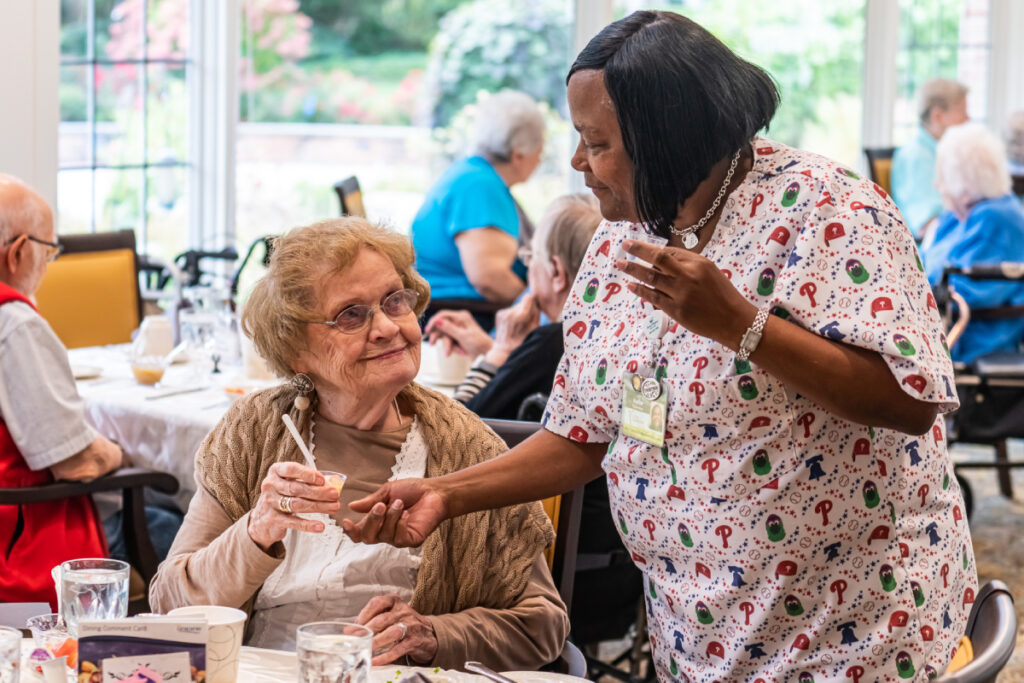
Hatfield nursing home

What is Personal Care?

Most senior living communities offer a range of options based on how much care residents need. Independent living provides the least amount of care, and skilled nursing provides the most.

Right in the middle is personal care. Often called “assisted living” outside of Pennsylvania, personal care is for seniors who want support with some activities of daily living but don’t require total medical assistance.

Personal care is often the right choice for seniors who need some personalized support and attention to maintain their independence and quality of life.

Personal Care vs. Assisted Living

Although the terms “personal care” and “assisted living” are often used interchangeably, they are two distinct categories in Pennsylvania. It’s important to understand the difference between personal care and assisted living. The main difference is that assisted living is licensed to provide higher and more medically nuanced care than personal care. Residents in personal care are often more independent than in assisted living. Typically, they need minimal to moderate assistance with activities of daily living such as meal preparation and medication management.

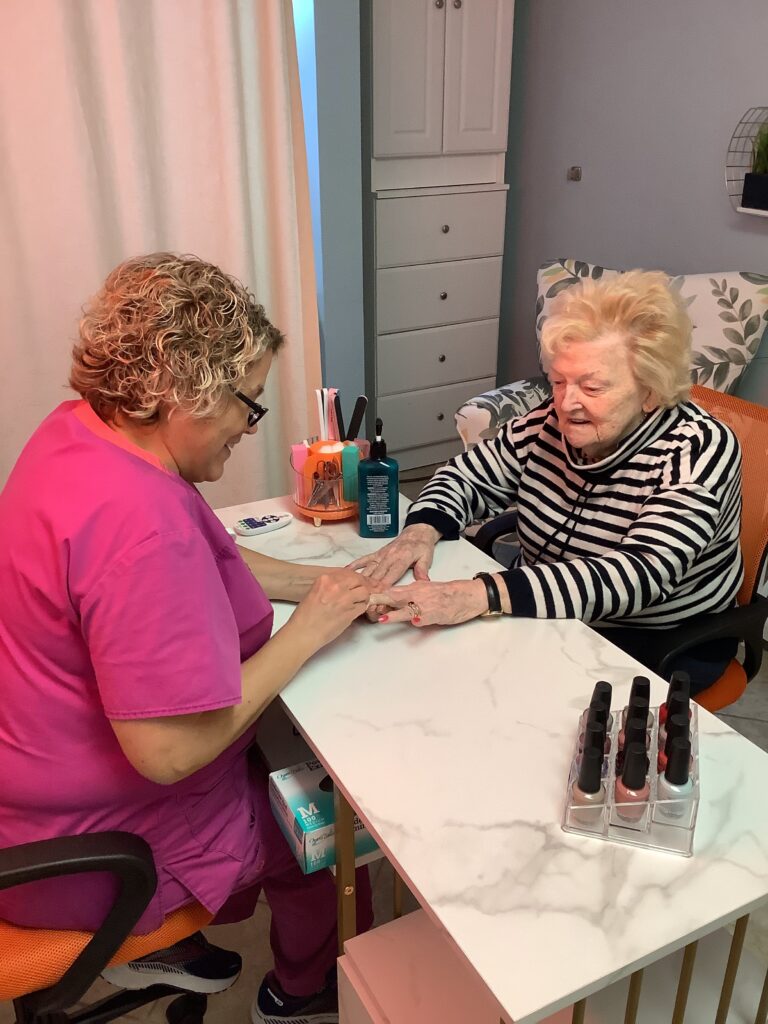
A team member paints the nails of a resident in Memory Care at Dock Woods in Lansdale

Types of Personal Home Care Services

In Pennsylvania, seniors who join a personal care community receive a range of care and services to help them remain as independent as possible. In addition to an individualized care plan, personal care residents typically receive:

  • A living unit with various amenities, such as a kitchenette and private bathroom
  • Housekeeping, maintenance, and laundry services
  • Three meals a day, typically in a community dining room
  • Help with activities of daily living, such as bathing and dressing, from nurses and/or resident assistants
  • Help with ordering and taking medication
  • Exercise and wellness programs
  • Recreational, educational, volunteer, and spiritual activities
  • Social services
  • Arrangements for transportation
  • Various campus amenities such as restaurants, banking services, barbers and hair stylists, fitness and recreation facilities, libraries, computer labs, game rooms, and more
Senior Respite Care at Living Branches

Signs Your Loved One May Benefit From Personal Care

Determining whether your loved one would benefit from a personal care community is an individual decision. There’s no one factor that makes personal care right for your loved one. But in our experience, one or more of these factors usually prompts a discussion about moving to a personal care community.

Social isolation

Consider your loved one’s relationships and their level of social engagement. Do they spend adequate time seeing friends and family? Do they have regular opportunities to socialize and participate in activities that are meaningful to them? If you notice they spend much of their time isolated, a personal care community will connect them with new neighbors and friends under the same roof. They will also have access to numerous activities, events, and trips that will keep them engaged and learning new things.

Physical health concerns

Consider your loved one’s physical health and mobility. Do they take their medications at the prescribed doses and times? Do they have trouble making and eating nutritious meals? Can they bathe, dress, and groom themselves on their own? Do they have a medical condition that requires monitoring? If their needs exceed what can be comfortably managed at home, trained caregivers in a personal care community can provide all the help they need.

Safety concerns

Think about your loved one’s home, whether alone or with a family member. Are there any hazards that pose a risk of falling or another kind of accident? Have there been any recent incidents or near-misses that concern you? If it would be difficult to modify their home to remove dangers, a personal care community can provide safer housing and a team of caregivers trained to keep them safe.

Caregiver burnout

Talk to the people currently caring for your loved one, especially family members. Are caregivers feeling high levels of stress, worry, or burnout? Do they have the support and resources they need to keep providing in-home care effectively? If their caregiving responsibilities are taking a physical or emotional toll, personal care is often a blessing. Family members of personal care residents commonly report their relationship improves. Without the responsibilities of caregiving, they become a spouse, child, or in-law once again.

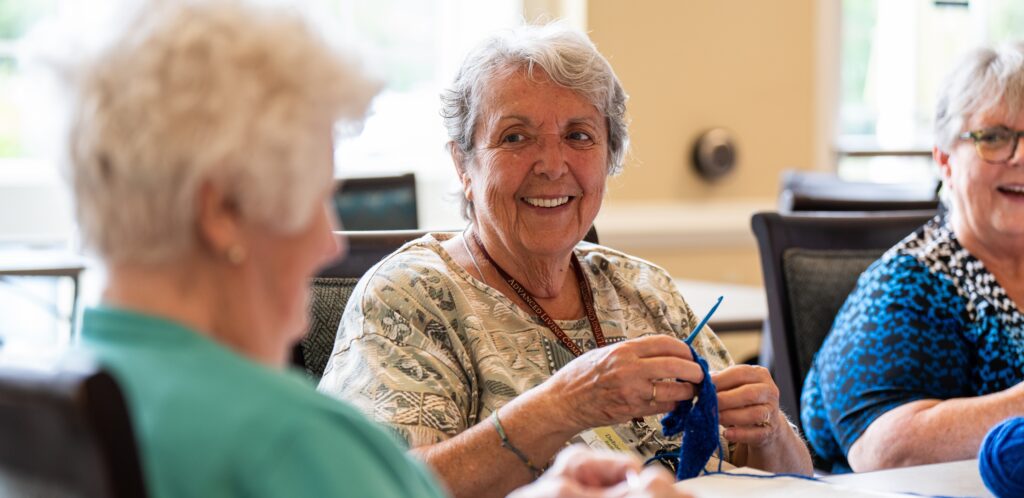
Older adults enjoying their time at Living Branches

Finding the Right Personal Care Community

While all personal care communities are required to provide the same services, not all communities are created equal. Some offer accommodations, locations, team members, amenities, and other factors that will be important to you and your family.

As you start to research personal care communities near you, use this checklist to help you evaluate some of the most important factors.

Maintaining independence

  • What does a typical resident care plan look like, and how is it created?
  • To what extent can personal care residents personalize their living space?
  • How are personal care residents supported in making choices about their daily routines and care?
  • How often do personal care residents come and go from the community?
  • What transportation options are available for independent outings?
  • Are there opportunities for personal care residents to influence decision-making through a resident council?

Social life and engagement

  • Does the community offer activities and events that appeal to your loved one’s interests, hobbies, culture, and religion?
  • How often do personal care residents participate in off-campus excursions or outings?
  • How often do personal care residents get to interact with other generations?
  • Does the community have resident-led clubs or groups?
  • Are family members and other guests able to visit whenever they like?
  • Are family members and other guests encouraged to participate in community life?
  • Does the community engage with local community organizations and events?

High quality care

  • Is the community licensed as a personal care home or as an assisted living facility?
  • What kind of health care providers are on-site? What kind of providers are on-call?
  • Is a nurse on-site 24 hours a day?
  • How often do personal care residents receive assessments and updates to their care plans?
  • Does the community aim for continuity of care by working proactively to keep turnover as low as possible?
  • How are caregivers trained and kept updated on the best practices in health care?
  • In case of an emergency, what kind of medical assistance can the community provide?
  • If the community has a nursing home associated with it, what rating did that neighborhood receive from the Centers for Medicare & Medicaid Services? While the nursing home and personal care areas are not the same, communities that offer a well-run nursing home often have a similarly strong personal care community.

Holistic well-being

  • How are personal care residents encouraged to maintain their well-being? Does the community offer classes, walking or recreation clubs, and fitness facilities?
  • How are personal care residents’ nutritional needs considered? What are typical meal options throughout the week?
  • Can personal care residents attend workshops on health and wellness topics?
  • Does the community offer therapy, pastoral care, and other kinds of mental, emotional, and spiritual support?
  • Does the community foster self-expression through creative arts therapy, lifelong learning curricula, and other enriching activities?
  • Is the personal care community designed and maintained to provide spaces where residents can spend time reflecting in nature and enjoying natural beauty?

Safety and security

  • What safety and accessibility features are available in resident rooms and throughout the personal care community?
  • Are outdoor spaces and walking paths maintained year-round for safety?
  • Does the personal care community have emergency preparedness plans, and are team members regularly trained on those procedures?
  • Are common areas and amenities regularly inspected and maintained for resident safety?
  • What security measures are available throughout the campus and in living spaces?

Financial considerations

  • Does the organization provide a clear, transparent explanation of its pricing structure and fees?
  • Is it easy to compare costs to similar communities in the area?
  • What amenities and services are covered by the base fee?
  • Does the community commit to caring for residents even if they outlive their financial resources through no fault of their own?

Personal Care Homes in Pennsylvania

Choosing a personal care home close to family, friends, and familiar surroundings can make the transition easier for seniors and their loved ones. In Pennsylvania, personal care homes are regulated by the state Department of Human Services and provide a unique blend of housing, support, and independence.

Living Branches offers personal care communities in Montgomery and Bucks counties. Each campus provides access to personalized care, engaging activities, and the reassurance of skilled nursing and memory care if future needs change.

Living Branches offers Personal Care at our campuses in Hatfield, Souderton, and Lansdale. Contact one of our Personal Care sales counselors to learn which community is best for you.

Personal Care Home FAQs

A personal care home is a senior living community that provides housing, meals, and assistance with activities of daily living such as bathing, dressing, and medication reminders. In Pennsylvania, personal care homes are regulated separately from assisted living and nursing homes.

Outside Pennsylvania, personal care is often called assisted living. In Pennsylvania, personal care homes are frequently connected to skilled nursing, allowing residents to transition to higher levels of care without leaving the community.

Read our blog on Personal Care Home vs Assisted Living to learn more.

Seniors who need some help with daily activities but do not require 24/7 medical supervision are typically good candidates for personal care.

Start by searching for licensed personal care communities in your area and comparing services, care levels, and on-site medical access. Visiting communities in person is the best way to determine fit.