
New Research Finds Life Plan Communities Boost Quality of Life

A major five-year study has confirmed what many Living Branches residents already know: joining a Life Plan Community is measurably better for health and wellbeing than living outside of one.
For five years, researchers from the Mather Institute and Northwestern University tracked the health and happiness of more than 8,200 people living in Life Plan Communities across the country. They compared those residents to a similar group of older adults living on their own.
The results make a strong case for the benefits of Life Plan Community living.
Residents self-reported better physical health, sharper memory, stronger social connections, and greater emotional wellbeing than peers who lived outside these communities.
“This is something we’ve always known anecdotally, so it’s gratifying to see it backed up by a rigorous study,” explains Alex Metricarti, chief advancement officer for Living Branches.
Physical Health Benefits: Nutrition, Movement, and More
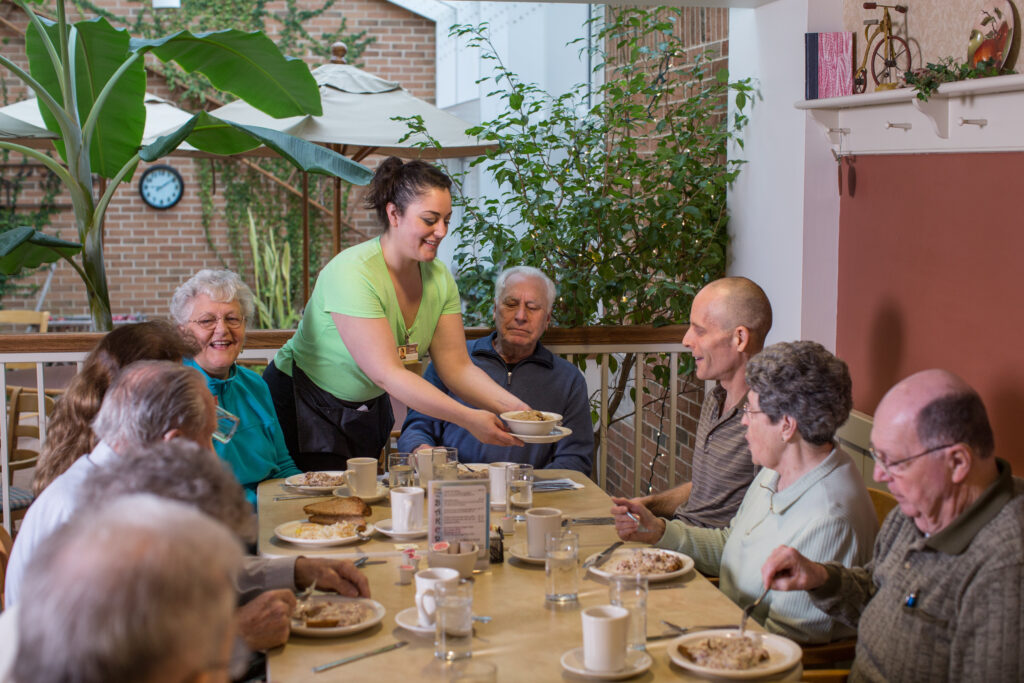
One of the clearest findings in the Mather study was that Life Plan Community residents reported eating better and being more physically active than their community-dwelling peers.
Good nutrition and regular movement in later life are tied to everything from immune health to brain function to mood. But cooking balanced meals is a challenge for many older adults living alone.
This is something Ted Gody, director of culinary services for Living Branches, thinks about every day.
“The Living Branches dining experience is designed around high-quality options and plenty of variety,” Ted says. “We also think about our dining rooms, restaurants, and other dining spaces as gathering places. We want to foster social connections over delicious food.”
Cognitive and Mental Engagement in Life Plan Communities
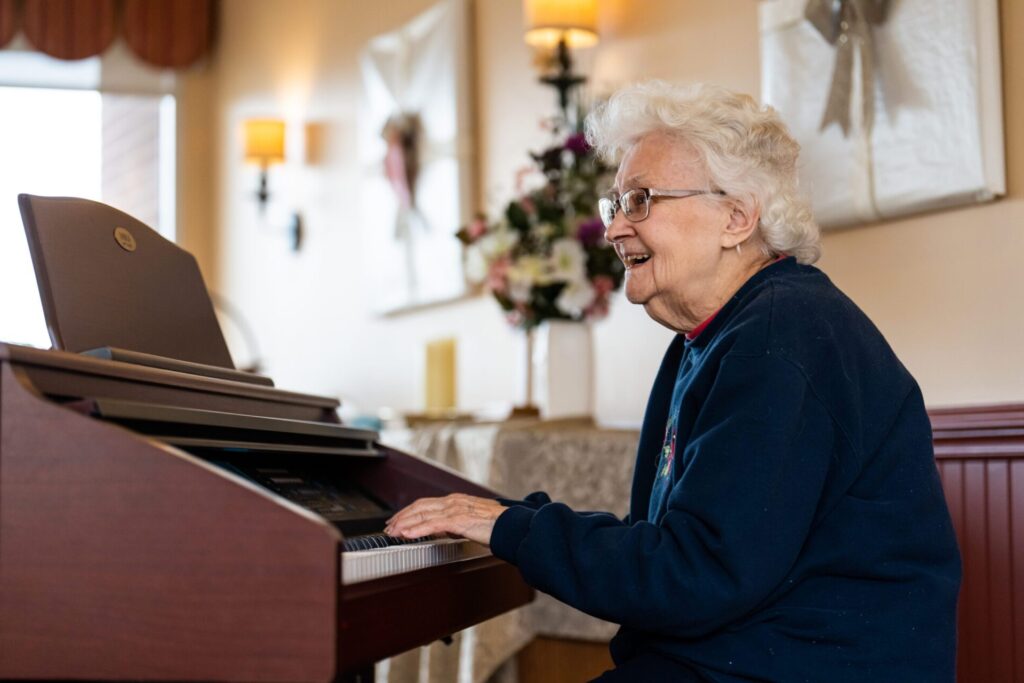
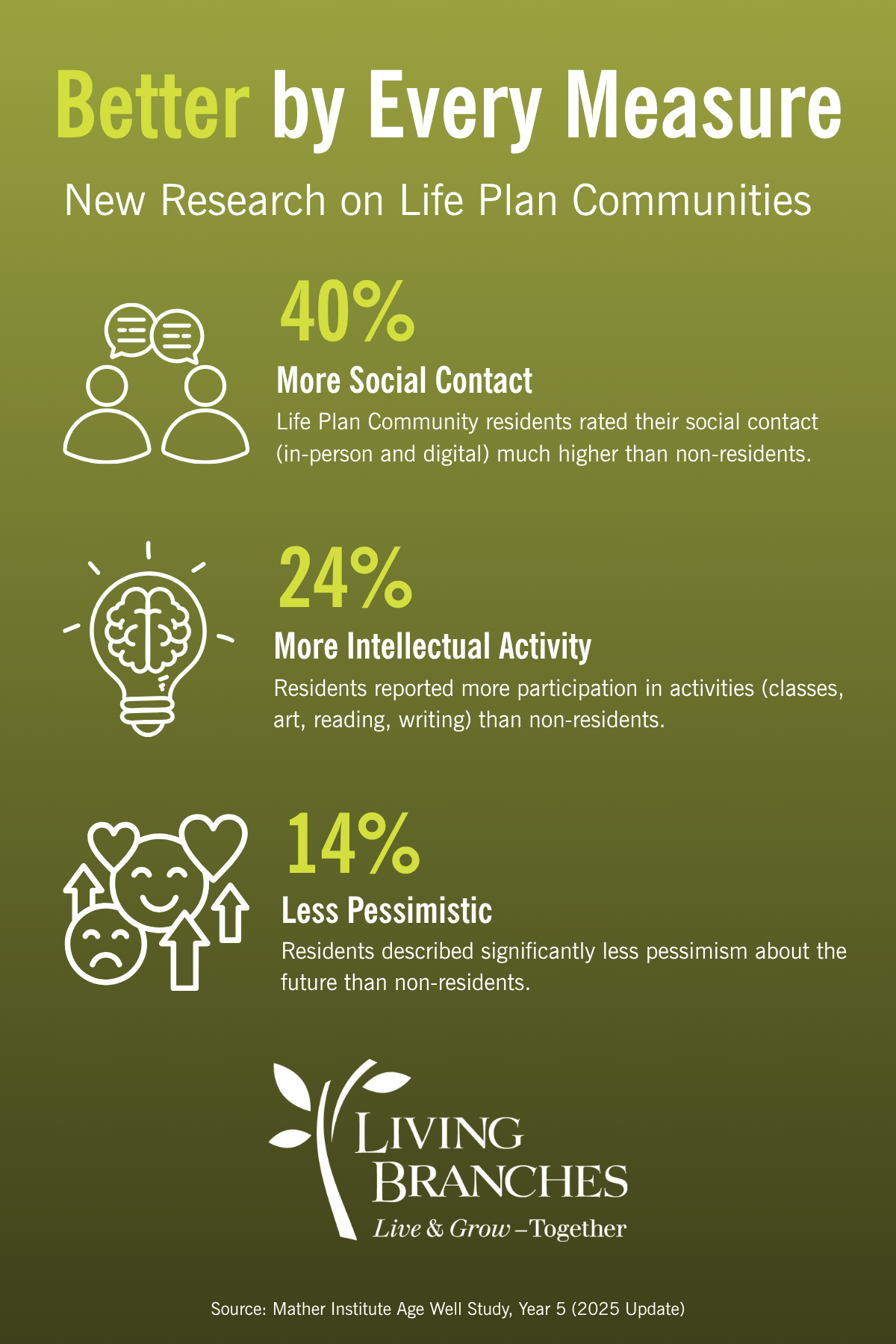
The Mather study also found that Life Plan Community residents reported staying more mentally engaged than their peers. They had higher participation in intellectual activities and a more positive rating of their own memory.
At Living Branches, resident engagement is rooted in Montessori principles: the idea that meaningful activity isn’t one-size-fits-all, and that people thrive when what they’re doing matches who they are.
This philosophy is important to resident engagement director Annette Echanis.
“When you know each resident as a person and tailor activities – and the neighborhood itself – to what residents can do and enjoy doing, it’s much more likely they will engage regularly,” Annette explains.
Social, Emotional, and Spiritual Wellbeing
Perhaps the most striking thread running through the Mather findings is how much better Life Plan Community residents reported feeling about the future. They were measurably more optimistic about aging than their community-dwelling peers.
The study also found that residents reported considerably more social contact – from in-person visits to phone calls to email – than seniors living on their own.
At Living Branches, pastoral care director Tamira Good often thinks about the dimension of wellbeing that can be hard to quantify in a survey: the spiritual, deeply human need to feel that one’s life has meaning and that one is not alone.
“Living well has a spiritual dimension, whether or not a resident worships with us,” Tamira explains.
“Of course we think about our community’s faith-based practices and fellowship, but we also have an important role in supporting residents through difficult periods and offering a listening ear. You don’t always get that when you live alone.”
Beyond the Data: What Life Plan Community Living Really Feels Like
The Mather study is rigorous research into the benefits of Life Plan Communities — but numbers can only go so far.
“There’s something about knowing your neighbor’s name, and their neighbor’s name,” Alex says. “You’re surrounded by people who immediately notice when you’re not yourself. People who will sit down and have a meal with you. People who will catch up with you after Bible study or accompany you to a new activity if you’re feeling unsure.”
“Maybe you can’t quantify the benefits of that,” she adds, “but you can absolutely feel it.”